19 episodes discuss Acts 2 — in canonical order, playable from the moment the passage comes up.
Acts 2
ob McKenzie , Robert Tarullo This is a continuation of our discussion on Possessions, reflecting on Acts 2, 4, and 5. Acts 2:42-47 And they devoted themselves to the apostles teaching and the fellowship, to [ ]
Acts 2–3
We welcome Dr. Rita Cefalu to speak about the rich biblical-theological themes regarding Christ in Acts 2–3. Dr. Cefalu has written, The Sufferings and Glory of Jesus the Messiah in [ ]
Acts 2
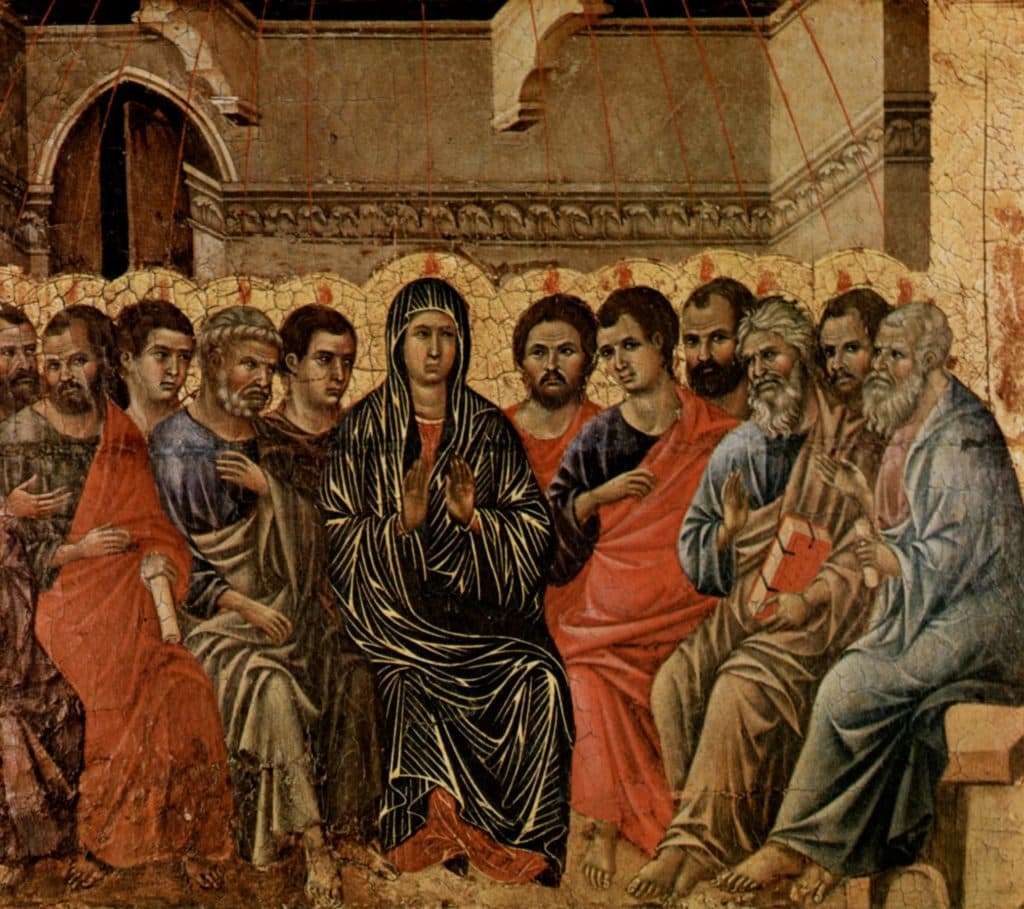
“my church” 00:12:14 Continuity and redemptive-historical newness in the church 00:15:28 Pentecost, Acts 2, and the constitution of the church 00:21:56 The church after Christ’s ascension and the new mode of life in the Spirit 00:29:23 The indestructible life of the kingdom and t
Acts 2
8:00 That may seem odd if we were just to think about the natures. In other words, Paul, I think in Acts Chapter 2 talks about God shedding his blood. Of course, God as a spirit doesn t have a body apart from the incarnation, and therefore, has no blood to shed. But that s becaus
Acts 2:11 · Carlton Wynne
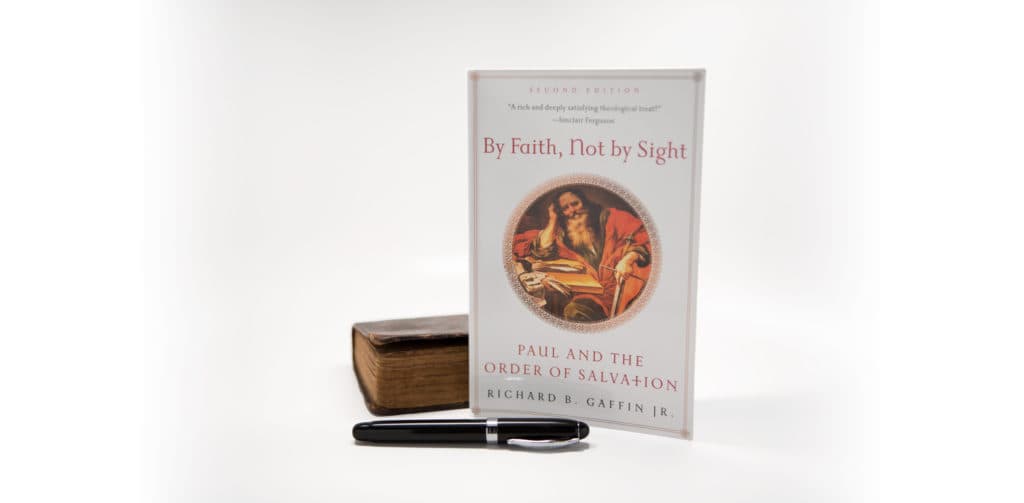
then creation, and now, at Pentecost, at the recreation. And he says on page 373, and this is where the title of the book comes from, from Acts 2.11, he says, the purpose of the miracle, that is, the disciples speaking of the mighty works of God in other tongues at Pentecost, the purpose of this mir
Acts 2:17 · Greg Beale
And then the New Testament takes those same phrases and will say something like Acts 2.17, in the latter days, God has poured forth his spirit. Or in 1 Corinthians 10, the consummation, the end of the ages has come upon us. Or 1 John 2.18, it is the last hour. And so on. And so you have this amazing
Acts 2:17 · Greg Beale
And then the New Testament takes those same phrases and will say something like Acts 2.17, in the latter days, God has poured forth his spirit. Or in 1 Corinthians 10, the consummation, the end of the ages has come upon us. Or 1 John 2.18, it is the last hour. And so on. And so you have this amazing
Acts 2:23 · Lane G. Tipton
Secondly, I always tell those who are in a given context that there’s a—when they raise that issue you raise in a given context, I’ll take them often to Acts 2.23 and Acts 4.26 through 28. And I’ll just summarize them. I’m not going to read them. And this is just a kind of off-the-cuff response.
Acts 2:24 · Camden Bucey
And Murray says, here beginning on page 113, both verbs are used actively. That’s interesting. In the case of agero, the usage is well illustrated by two passages in Acts. We find that in Acts 4.10 and Acts 5.30 that God raised Jesus. But likewise, we find anistomy, usages of that in Acts 2.24, whic
Acts 2:32 · Camden Bucey
but he had to be raised and that God raised him up. And then Acts 2.32, and we can also reference Acts 13.33, 34, and then Acts 17.31. So we find a preponderance of usage of these words that make it clear, at least on the surface, that God raised Jesus and God there being more or less the personal n
Acts 2:24 · Camden Bucey
Yeah. Then you bring in, quite naturally on that point, 1 Corinthians 15, and start to speak of Christ as the first fruits of a greater harvest. In his resurrection, we shouldn’t think of that as an isolated event. Now, it’s unique to him because of his works. He is the one who is raised from the de
Acts 2:28 · Speaker 1
of life that was held out to Adam under the covenant of works. He lives in heaven to intercede for His church as a minister and servant of the new covenant. He sits on the throne of the majesty in heaven and He lives to God as we said in our adoption segment Acts 2.28 He has come to know the paths o
Acts 2:32–33 · Speaker 1
He died to sin throughout His earthly ministry climaxing in death on a cross and this life to God is now His translation into heaven. Hebrews 9.24 and 8.1-2 and Acts 2.32-33 to remind of what we covered earlier.
Acts 2:32 · Adam York
Again, the visionary aspects that we see from the beginning. So if you look in Acts 2.32, you know, Jesus says this, or excuse me, Peter says this, This Jesus God raised up, of that we are witnesses, being therefore exalted to the right hand of God, having received from the Father the promise of the
Acts 2:33 · Lane G. Tipton
Acts 2.33, Christ receives and pours out the Spirit. The church in union with Christ, filled with the Spirit, Ephesians 2.21, is the temple of God. And they’re in union with the Christ in whose heavenly mediation the church’s life is hidden, Colossians 3.3.
Acts 2:36 · Brandon Crowe
And so in Peter’s first major speech is the speech at Pentecost. It’s his longest speech. I think we all know that speech is important for many reasons. If you read your Bible, you know, the outpouring of the Spirit, Joel 2. But he talks about how God has made him both Lord and Christ, Acts 2.36. No
Acts 2:38
purity of my soul, that is, all my sins.[2] [1] Matt. 28:19. [2] Matt. 3:11; Mark 16:16; John 1:33; Acts 2:38; Rom. 6:3, 4; I Pet. 3:21. The significance of this sign is the assuredly that the promises made by Christ in salvation will be assured to be accomplished in the life of
Acts 2:42
nary ministry of the superstructure of the church, the stress falls on the ordinary means of grace (Acts 2:42): the Word, sacraments, and prayer. It is in this setting that the panel discussed the necessity and benefits of catechism for both children and adults. God has said he w
Acts 2:42–47
her website and consider purchasing some of her music. Participants: Rob McKenzie , Robert Tarullo Acts 2:42-47 And they devoted themselves to the apostles teaching and the fellowship, to the breaking of bread and the prayers. And awe came upon every soul, and many wonders [ ]
Acts 2:42 · Camden Bucey
You bring up in your class that you used to teach, Acts and Paul, another mathematical illustration that there’s an elliptical character to that. There’s two events, but they’re basically, they’re distinguishable, but they’re inseparable. The fact that Christ died and that he was raised, and I belie
Acts 2:47 · Guy Prentiss Waters
They join the saints, we’re told, in Acts 2.47. They devote themselves to the apostles’ teaching. And then that same body, of course, that church, as we see in Acts 13, sends others out to do the same. And every place where we see disciples in the book of Acts, they are together. They are under gove