40 episodes discuss Genesis 1 — in canonical order, playable from the moment the passage comes up.
Genesis 1–3
ssic Reformed doctrine . Phillipsburg N.J.: P R Pub., 2008. Fesko, J. Last things first : unlocking Genesis 1-3 with the Christ of eschatology . Fearn Ross-shire Great Britain: Mentor, 2007. Fesko, J. What is justification by faith alone? Phillipsburg N.J.: P R Pub., 2008. Frame,
Genesis 1–2
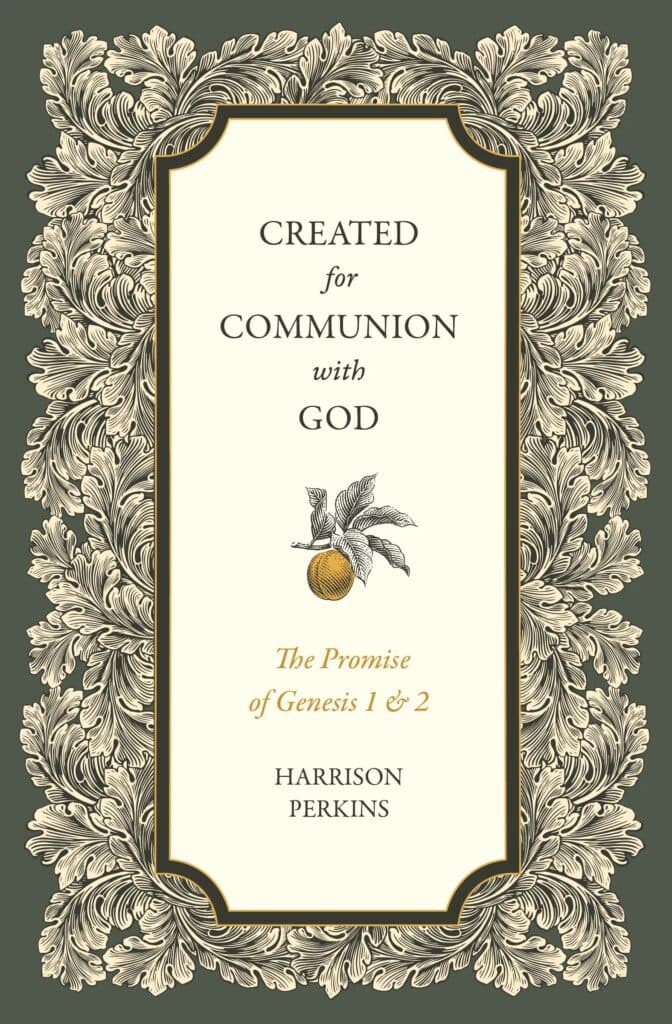
venantal Merit and Adam’s Original Integrity (2024), Created for Communion with God: The Promise of Genesis 1–2 (Lexham Press, 2025), and a number of popular and academic articles. He regularly writes articles for Heidelblog and Modern Reformation . Watch on YouTube Chapters 0:00
Genesis 1–2
s Christ. Watch on YouTube Chapters 00:00:07 Introduction 00:09:06 The Origin of Each Book 00:18:03 Genesis 1–2 Draws Us into Communion with God 00:20:58 The Theme of Beauty 00:24:39 Original Righteousness 00:32:34 Natural Man s Ability 00:47:00 Concupiscence 00:56:01 Concepts of
Genesis 1
Baker, March 2021). 368 pages. $24.99. Paperback. Van Dam, Cornelis. In the Beginning: Listening to Genesis 1 and 2 (Reformation Heritage Books, March 2021) 384 pages. $30.00. Hardcover. Gribben, Crawford. Survival and Resistance in Evangelical America: Christian Reconstruction i
Genesis 1
Spencer Harmon, Letters to a Romantic on Engagement Christopher Watkin, Thinking through Creation: Genesis 1 and 2 as Tools of Cultural Critique Bill Davis, Departing in Peace: Biblical Decision-Making at the End of Life Participants: Camden Bucey , Ryan Noha Camden Bucey and Ry
Genesis 1
keep his people as those people await the fulfillment of God s redemptive promises given earlier in Genesis. 1 And God blessed Noah and his sons and said to them, “Be fruitful and multiply and fill the earth. 2 The fear of you and the dread of you shall be upon every beast of the
Genesis 1
In this episode of Proclaiming Christ we discuss days 4-6 of the creation account in Genesis 1. We continue the discussion of light and darkness in creation as it pertains to the fourth day, the kingdom of God in creation, and the creation of humanity in the image
Genesis 1
In this episode we discuss verses 3-13 of Genesis 1: the first three creation days. We discuss the covenantal character of creation, the theological dimensions of these days, God s dominion and interpretive prerogative in
Genesis 1
In this episode we discuss the first two verses of Genesis 1. The episode focuses on the centrality of God in creation. We begin by discussing some interpretive assumptions involved in reading this passage. We also consider: the di
Genesis 1–3
classic Reformed doctrine . Phillipsburg N.J.: P R Pub., 2008. _____. Last things first : unlocking Genesis 1-3 with the Christ of eschatology . Fearn Ross-shire Great Britain: Mentor, 2007. _____. What is justification by faith alone? Phillipsburg N.J.: P R Pub., 2008. Frame, Jo
Genesis 1
mden Bucey , Christopher Watkin Christopher Watkin speaks about his book Thinking through Creation: Genesis 1 and 2 as Tools of Cultural Critique . Watkin looks to the early chapters of Genesis for foundational doctrines about [ ]
Genesis 1–3
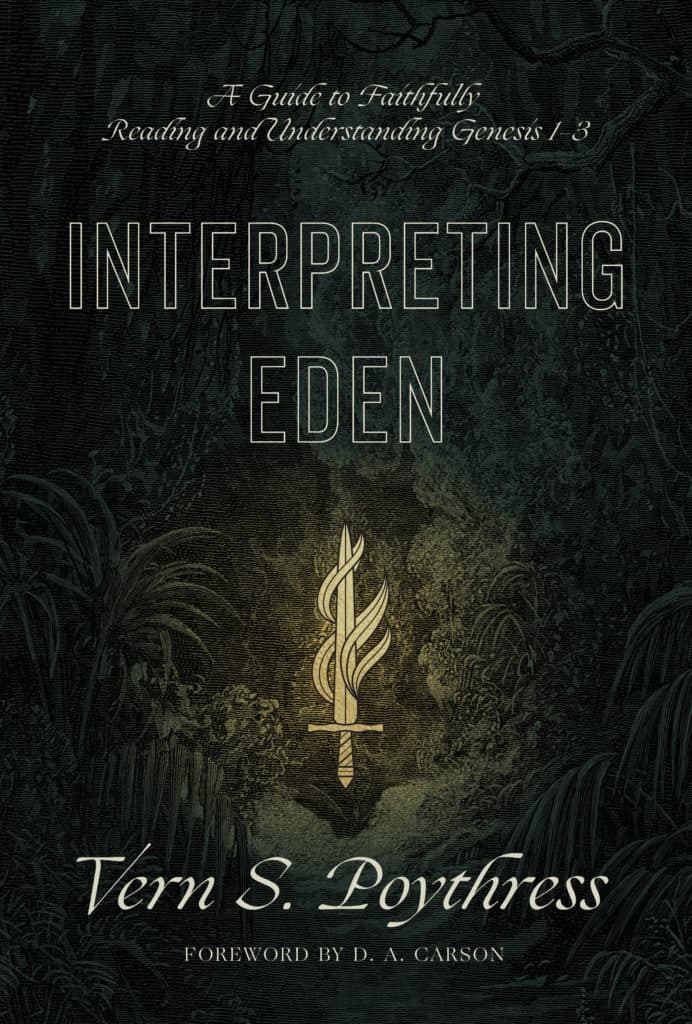
Dr. Vern Poythress speaks about the hermeneutical issues of interpreting Genesis 1–3 and how biblical interpretation relates to contemporary scientific study. Dr. Poythress is Distinguished Professor of New Testament and Biblical Interpretation at Westm
Genesis 1
w years he has written four books published by P R Publishing, including Thinking through Creation: Genesis 1 and 2 as Tools of Cultural Critique and three books in the Great Thinkers series: Jacques Derrida (2017), Michel Foucault (2018) and Gilles Deleuze (2020). Links Christ t
Genesis 1
00:48:15 David Hall — Irony and the PCA 00:52:13 Cornelis Van Dam — Considering the Historicity of Genesis 1 and 2 00:55:21 Greg Beale and Ben Gladd — Dictionary of the NT Use of the OT 00:57:41 Alan Strange, Darryl Hart, Nick Willborn, and Timon Cline — Politics, Culture, and t
Genesis 1
the dignity of labor, and reorients our understanding of productivity and flourishing. Drawing from Genesis 1, Reformed anthropology, and the legacy of Kuyper, Bahnsen argues that work is not a mere means to consumption or status, but an essential expression of our identity as im
Genesis 1
Dr. Cornelis Van Dam joins us to speak about his book In the Beginning: Listening to Genesis 1 and 2 , in which he argues that reading Genesis 1 and 2 as history is not only justified but necessary. Van Dam clarifies the different roles that ancient Near Eastern li
Genesis 1:1 · Lane G. Tipton
The thesis in the first lecture is very basic, that in the beginning in Genesis 1.1, the reference to the heaven that God created, that is a reference to an archetypal temple dwelling of God. Before God creates an earthly temple in Eden or an earthly tabernacle or an earthly temple, first or second,
Genesis 1:1
aw s relationship to the Covenant of Works and Covenant of Grace in particular. In the beginning in Genesis 1:1, heavens is a reference to an archetypal temple-dwelling of God. Before God creates an earthly temple or tabernacle, he makes a heavenly temple dwelling that he fills w
Genesis 1:1
his new book, Foundations of Covenant Theology , available now through Reformed Forum. Drawing from Genesis 1:1 and subsequent biblical revelation, Lane Tipton argues that before creating [ ]
Genesis 1:1 · Lane G. Tipton
is to remember Klein’s teaching about the creation of the invisible heavens as a temple dwelling of God’s unchanging glory in the absolute beginning of Genesis 1.1. For those of you who have read my Foundations book, this short portion of the lecture will be a review of that. So this is a review of
Genesis 1:1 · Lane G. Tipton
In the absolute beginning of Genesis 1.1, God created heaven as a royal temple dwelling and filled it with angels devoted to his endless worship and service. The heaven temple forms the permanent dwelling place of the Father and the Son in the glory of the Holy Spirit.
Genesis 1:1 · Lane G. Tipton
For instance, Nehemiah 9.6, commenting directly on Genesis 1.1, Speaks of the creation of the heaven of heavens. And the host of heaven worships the triune God in that holy place. And that heavenly realm is distinguished from the earth and all that is on it. Psalm 104, verses 1 and 2 says this,
Genesis 1:1 · Lane G. Tipton
respectively. End of quote. Still God heaven and Armageddon. We haven’t even got to page 20 of that work yet. So here’s the point. Indoxation is a terminal act of the third person of the Trinity relating personally and permanently to the heaven temple in the absolute beginning. Genesis 1.1 The incar
Genesis 1:1 · Lane G. Tipton
But Genesis 1.1, in the beginning God made the heavens and the earth. That brings into view the creation of the presently invisible upper register heavens on the one side and the presently visible heavens and earth on the other side. So, Nehemiah 9.6, the Lord is in heaven and his messengers, his an
Genesis 1:1 · Camden Bucey
He created out of nothing, ex nihilo, and into nothing. There was no substance. There was no material. There was no void even. A void would be something, right? Even though there’s nothing there, it’s the lack of something. You know, prior to creation, there was no thing, not even a void. But God cr
Genesis 1:1 · Glen Clary
So, you know, if you keep that in mind and you interpret Genesis 1, verse 1 and Genesis 2, verse 1 as a reference to that to register cosmos and understanding that it’s a cosmic temple. It is a created dwelling place for God and resting place for God that will help us to interpret the meaning of the
Genesis 1:1 · Camden Bucey
we have this true form that exists in the invisible heavens, the highest heavens. This is really what Isaiah the prophet saw in Isaiah chapter 6. When God opened his eyes, he was transported and saw a vision of God’s throne room. But God created that place. It’s not as if that’s the eternal place. T
Genesis 1:1 · Camden Bucey
Exactly. What? Or a passage like Genesis 1.1. Is that law or gospel? Yeah. It’s difficult.
Genesis 1:1 · Lane G. Tipton
It was created in what Meredith Kline would call the absolute beginning. It’s created in the very first act of God in Genesis 1.1. And when Paul is reflecting on Genesis 1.1 in Colossians 1.16, he says that the Son of God, who is truth,
Genesis 1:1 · Lane G. Tipton
It was created in what Meredith Kline would call the absolute beginning. It’s created in the very first act of God in Genesis 1.1. And when Paul is reflecting on Genesis 1.1 in Colossians 1.16, he says that the Son of God, who is truth,
Genesis 1:1 · Glen Clary
Absolutely. And this is false worship. Cain offers God false worship. You know, in the beginning God created the heavens and the earth. There’s a distinction between the creator and the creature. Genesis 1.1. And that’s the basis for the distinction between true and false worship. True worship is th
Genesis 1:26
Dr. Vern Poythress speaks about Genesis 1:26 and the numerous important details in this verse. This lecture was delivered during the annual theology conference at Calvary Orthodox Presbyterian Church in Ringoes,
Genesis 1:26
. Tipton Session 2 was not recorded Session 3: Covenant Representation — Lane. G. Tipton Session 4: Genesis 1:26 — Vern Poythress Session 5: Questions Answers — Vern Poythress and Lane G. Tipton Session 6: The Fourfold State of Man — Lane G. Tipton Session 7: Luke 4:1-12 — Lane G
Genesis 1:26
. Tipton Session 2 was not recorded Session 3: Covenant Representation — Lane. G. Tipton Session 4: Genesis 1:26 — Vern Poythress Session 5: Questions Answers — Vern Poythress and Lane G. Tipton Session 6: The Fourfold State of Man — Lane G. Tipton Session 7: Luke 4:1-12 — Lane G
Genesis 1:26
. Tipton Session 2 was not recorded Session 3: Covenant Representation — Lane. G. Tipton Session 4: Genesis 1:26 — Vern Poythress Session 5: Questions Answers — Vern Poythress and Lane G. Tipton Session 6: The Fourfold State of Man — Lane G. Tipton Session 7: Luke 4:1-12 — Lane G
Genesis 1:26
. Tipton Session 2 was not recorded Session 3: Covenant Representation — Lane. G. Tipton Session 4: Genesis 1:26 — Vern Poythress Session 5: Questions Answers — Vern Poythress and Lane G. Tipton Session 6: The Fourfold State of Man — Lane G. Tipton Session 7: Luke 4:1-12 — Lane G
Genesis 1:26
. Tipton Session 2 was not recorded Session 3: Covenant Representation — Lane. G. Tipton Session 4: Genesis 1:26 — Vern Poythress Session 5: Questions Answers — Vern Poythress and Lane G. Tipton Session 6: The Fourfold State of Man — Lane G. Tipton Session 7: Luke 4:1-12 — Lane G
Genesis 1:26
. Tipton Session 2 was not recorded Session 3: Covenant Representation — Lane. G. Tipton Session 4: Genesis 1:26 — Vern Poythress Session 5: Questions Answers — Vern Poythress and Lane G. Tipton Session 6: The Fourfold State of Man — Lane G. Tipton Session 7: Luke 4:1-12 — Lane G
Genesis 1:26 · Lane G. Tipton
Well, it really is. And when you, and I don’t want to, we could review Bavinck and all the others, but when you put this in the context of the plurality in Genesis 1.26, the commander of the army of the Lord later in Joshua, and a host of other references to the Spirit and to the Messiah, you start
Genesis 1:26 · Lane G. Tipton
Of course, it doesn’t mean that the distinctions within the Godhead are wholly absent in the Old Testament. Genesis 1.26 makes that clear. But it is, it does mean this, that the focus in these Old Testament texts is God’s paternal or fatherly action toward his people.
Genesis 1:26–28 · Rob McKenzie
Further evidence of an allusion to Genesis 1.28 in Daniel is that the former sees that God’s kingdom will permeate the entire earth, the stone that becomes a great mountain, filled the whole earth. The notion of God’s kingdom filling the whole earth echoes Genesis 1.26-1.28, where God commissions Ad
Genesis 1:28 · Rob McKenzie
So this is Beale. In support of the extended notion of the first three kingdoms being part of a prototypical eschatology, is the portrayal of one of the kings of the first kingdom, Babylon, as an Adam-like figure. An allusion to Genesis 1.28 is apparent in Daniel 2.38, according to the Septuagint,
Genesis 1:28 · Rob McKenzie
where Daniel says that God has given the Babylonian king rule over the birds of the sky and the fish of the sea, almost verbatim with, again, the Septuagint of Genesis 1.28. The same observations may be made of the warped universal kingdoms of Assyria and Egypt, portrayed by Ezekiel 31 with language
Genesis 1:28 · Rob McKenzie
Further evidence of an allusion to Genesis 1.28 in Daniel is that the former sees that God’s kingdom will permeate the entire earth, the stone that becomes a great mountain, filled the whole earth. The notion of God’s kingdom filling the whole earth echoes Genesis 1.26-1.28, where God commissions Ad
Genesis 1:26 · Stephen Presley
And again, it’s his anti-Gnosticism kind of creeping because he sees the human person created in Genesis 1.26 and Genesis 2.7 as made in the image of God. That’s the image entails body and soul. And then for him, Christ is the true image of God, the true humanity.
Genesis 1:26 · Jim Cassidy
And I think that Genesis 1, verses 26, 27 kind of makes that pretty clear, which I hope to show tomorrow. So that’s my kind of initial thought. There’s not kind of a fluidity between the two, but by divine creation, by divine design.
Genesis 1:28 · Greg Beale
And if you’re quoting a use, say, from Isaiah, let’s say, then you’ve got to be aware of the origin of that all the way back even to Genesis 28. In other words, Isaiah 54, I believe, verse 3 uses a passage from Genesis 28. But you’ve got to be aware that the origin of that text in Genesis 28 is from
Genesis 1:28 · Greg Beale
later in the Old Testament and then in the New. Genesis 1.28, the commission to Adam, is one of the amazing examples here. But the point is that these texts are unpacked and unfolded, as Vos would say, organically as a seed begins to sprout and as a flower begins to, as the plant begins to grow and
Genesis 1:31 · Andrea Ferrari
Then we have the moral judgment expressed by God in Genesis 1.31, when at the end of creation, everything that God made was judged very good.
Genesis 1:31 · Andrea Ferrari
they could not have participated meaningfully into the moral judgment expressed by the creator. And then I try to read Genesis 1.31 in the light of Psalm 92, which is a Sabbath psalm.