39 episodes discuss Genesis 2 — in canonical order, playable from the moment the passage comes up.
Genesis 1–2
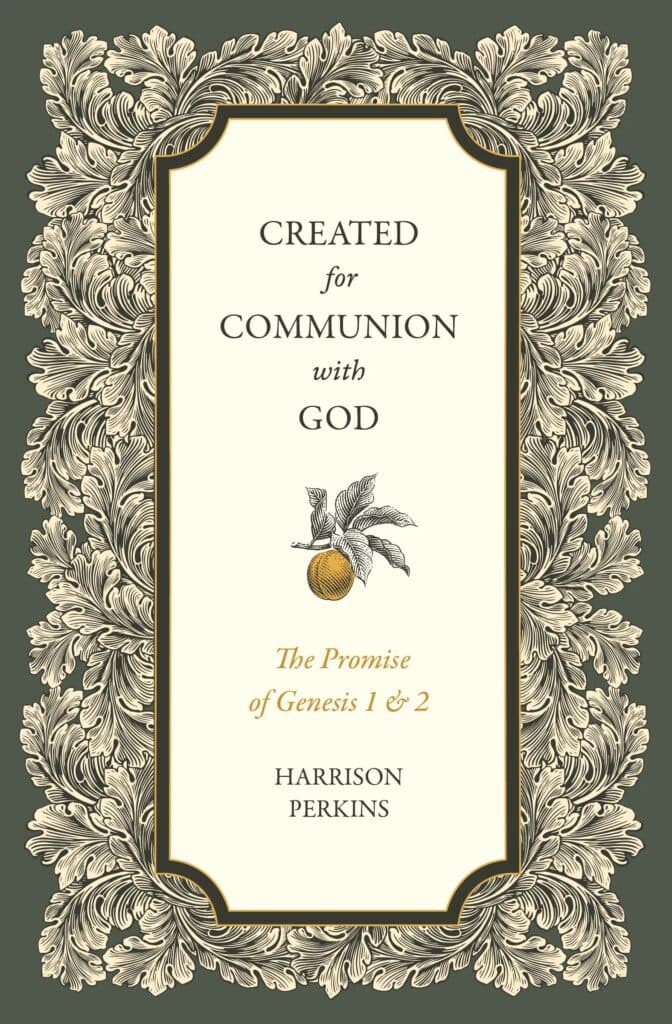
venantal Merit and Adam’s Original Integrity (2024), Created for Communion with God: The Promise of Genesis 1–2 (Lexham Press, 2025), and a number of popular and academic articles. He regularly writes articles for Heidelblog and Modern Reformation . Watch on YouTube Chapters 0:00
Genesis 1–3
ssic Reformed doctrine . Phillipsburg N.J.: P R Pub., 2008. Fesko, J. Last things first : unlocking Genesis 1-3 with the Christ of eschatology . Fearn Ross-shire Great Britain: Mentor, 2007. Fesko, J. What is justification by faith alone? Phillipsburg N.J.: P R Pub., 2008. Frame,
Genesis 1–3
classic Reformed doctrine . Phillipsburg N.J.: P R Pub., 2008. _____. Last things first : unlocking Genesis 1-3 with the Christ of eschatology . Fearn Ross-shire Great Britain: Mentor, 2007. _____. What is justification by faith alone? Phillipsburg N.J.: P R Pub., 2008. Frame, Jo
Genesis 2
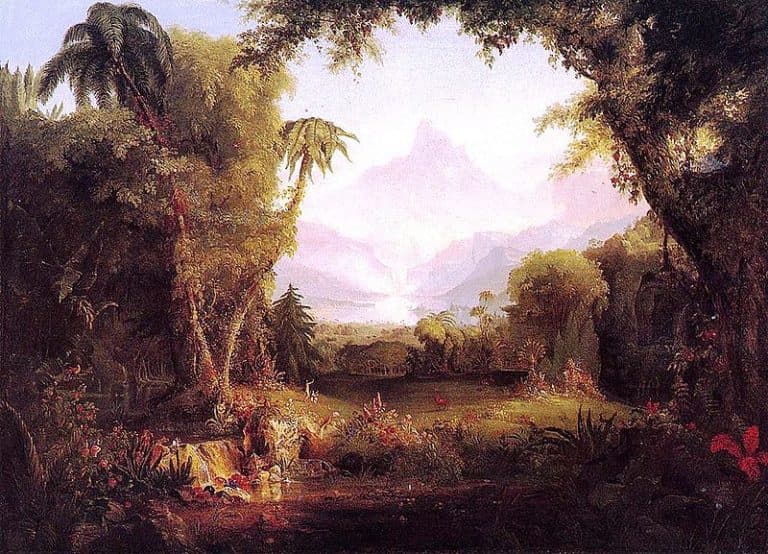
of Eden and the description given to it in Genesis 2:8-15. We discuss how the garden motif found in Genesis 2 permeates the [ ]
Genesis 2
ck! Participants: Adam York , Chad Bond , Mark A. Winder , Matt Cotta On Today s episode we discuss Genesis 2 broadly and the covenant God made with Adam. We consider objections to and reasons for saying that Adam was in a covenant. We [ ]
Genesis 1–3
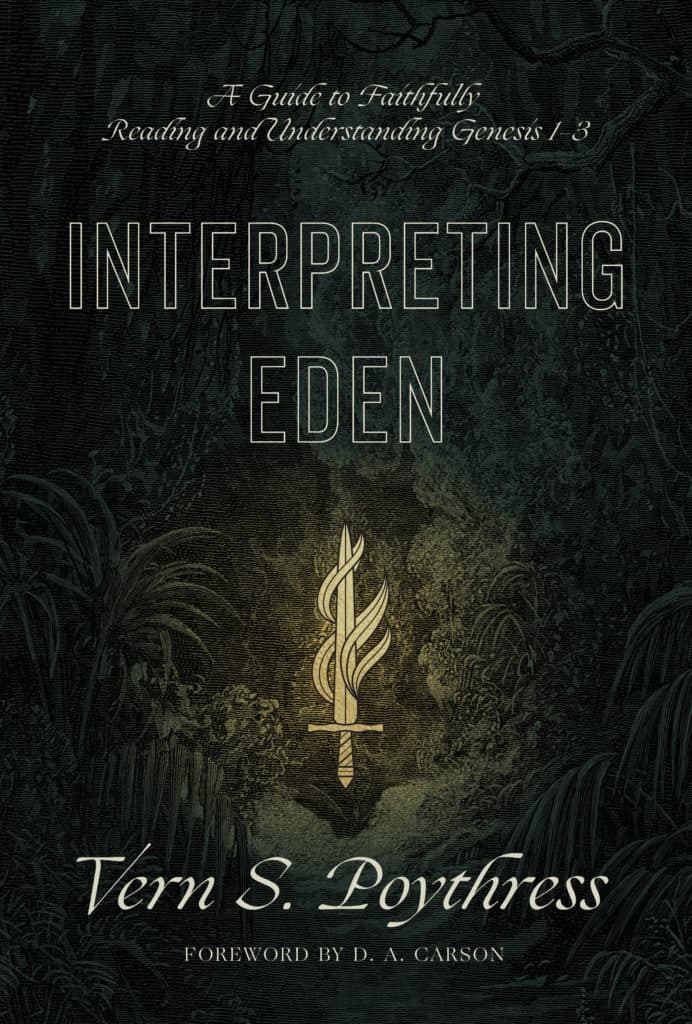
gical Seminary and the author of Interpreting Eden: A Guide to Faithfully Understanding and Reading Genesis 1–3 (Crossway). The publisher writes: Christians have long discussed and debated the first three chapters of the Bible. How we interpret this crucial section of Scripture h
Genesis 1–2
s Christ. Watch on YouTube Chapters 00:00:07 Introduction 00:09:06 The Origin of Each Book 00:18:03 Genesis 1–2 Draws Us into Communion with God 00:20:58 The Theme of Beauty 00:24:39 Original Righteousness 00:32:34 Natural Man s Ability 00:47:00 Concupiscence 00:56:01 Concepts of
Genesis 2
been translated into the highest heavens in the presence of God where he would enter Sabbath Rest (Genesis 2/Ez. 28:14 and the mountain of God). When Christ finished his wilderness sojourn, he ascended into that very reality of Sabbath Rest—rest the first Adam did not enter (Heb
Genesis 2:1 · Camden Bucey
We’re going to run you ragged. That’s all right. Well, today we’re going to be speaking about Genesis chapter 2, verses 1 through 3, which speaks about kind of the institution of the Sabbath as in response to God’s own work. Let me read the text to you today as we get started, and Glenn’s going to l
Genesis 2:1 · Glen Clary
Maybe just kind of zeroing in on verse 1 and narrowing our focus there for just a second. I think what you have here in chapter 2, verse 1, thus the heavens and the earth were finished and all the hosts of them, is parallel to Genesis 1-1. In the beginning, God created the heavens and the earth. You
Genesis 2:1 · Glen Clary
Now, one other very important text here which brings to mind this two-register cosmos, and I think that helps us to interpret Genesis 2, verse 1 and following, is Isaiah 66 and verse 1. Isaiah 66, 1, the Lord says, heaven is my throne and earth is my footstool. So there’s the two-register cosmos, he
Genesis 2:1 · Glen Clary
So, you know, if you keep that in mind and you interpret Genesis 1, verse 1 and Genesis 2, verse 1 as a reference to that to register cosmos and understanding that it’s a cosmic temple. It is a created dwelling place for God and resting place for God that will help us to interpret the meaning of the
Genesis 2:1 · Camden Bucey
There was a motorcycle. And so you might hear us laughing once in a while. I’m going to edit. Since we multi-track record, I’ll edit this and clean it up after the fact. But you’re still going to hear us laughing. And that’s stuff that I can’t fix. So now the foundations of this issue, of course, ar
Genesis 2:1 · Glen Clary
and I think he does a fantastic job of doing that. And he has some other articles on the Sabbath as well, and so I would commend his work on the Sabbath. But basically, I would start with the Sabbath as a creation ordinance in Genesis chapter 2, verse 1 and 2. The Sabbath was instituted by God at cr
Genesis 2:2 · Lane G. Tipton
Yeah, that place of rest language is an allusion to Genesis 2.2 so that you could think of it in Isaiah 66.1 as he’s saying, look, if you build an earthly place for me, that earthly place is not the final resting place for me. Where is that final resting place? It is my Sabbath enthronement, Genesis
Genesis 2:2 · Lane G. Tipton
Yeah, that place of rest language is an allusion to Genesis 2.2 so that you could think of it in Isaiah 66.1 as he’s saying, look, if you build an earthly place for me, that earthly place is not the final resting place for me. Where is that final resting place? It is my Sabbath enthronement, Genesis
Genesis 2:4 · David Schrock
Someone like a Scott Hahn has followed the idea that Melchizedek may be Shem, that the blessings given to Shem are passed on to Melchizedek. So that’s certainly a theory that’s out there. I haven’t traced that down enough to have a full rebuttal to that, but that’s out there. I was sitting in church
Genesis 2:5–17
on 6: The Fourfold State of Man — Lane G. Tipton Session 7: Luke 4:1-12 — Lane G. Tipton Session 8: Genesis 2:5-17 — Jim Cassidy Participants: Jim Cassidy Rev. James Cassidy preaches from Genesis 2:5–17. This sermon was delivered during the annual theology conference at Calvary O
Genesis 2:5–17
on 6: The Fourfold State of Man — Lane G. Tipton Session 7: Luke 4:1-12 — Lane G. Tipton Session 8: Genesis 2:5-17 — Jim Cassidy Participants: Lane G. Tipton Rev. Dr. Lane G. Tipton preaches from Luke 4:1-12. This sermon was delivered during the annual theology conference at Calv
Genesis 2:5–17
on 6: The Fourfold State of Man — Lane G. Tipton Session 7: Luke 4:1-12 — Lane G. Tipton Session 8: Genesis 2:5-17 — Jim Cassidy Participants: Lane G. Tipton Dr. Lane G. Tipton speaks about the fourfold state of man. This lecture was delivered during the annual theology conferenc
Genesis 2:5–17
on 6: The Fourfold State of Man — Lane G. Tipton Session 7: Luke 4:1-12 — Lane G. Tipton Session 8: Genesis 2:5-17 — Jim Cassidy Participants: Lane G. Tipton , Vern Poythress Vern Poythress and Lane Tipton answer questions on the subject of Adam and the bible. This session occurr
Genesis 2:5–17
on 6: The Fourfold State of Man — Lane G. Tipton Session 7: Luke 4:1-12 — Lane G. Tipton Session 8: Genesis 2:5-17 — Jim Cassidy Participants: Vern Poythress Dr. Vern Poythress speaks about Genesis 1:26 and the numerous important details in this verse. This lecture was delivered
Genesis 2:5–17
on 6: The Fourfold State of Man — Lane G. Tipton Session 7: Luke 4:1-12 — Lane G. Tipton Session 8: Genesis 2:5-17 — Jim Cassidy Participants: Lane G. Tipton In this session, Dr. Lane G. Tipton speaks about covenant representation with reference to sin. This lecture was delivered
Genesis 2:5–17
on 6: The Fourfold State of Man — Lane G. Tipton Session 7: Luke 4:1-12 — Lane G. Tipton Session 8: Genesis 2:5-17 — Jim Cassidy Participants: Lane G. Tipton In this session, Dr. Lane G. Tipton speaks about the first and last Adams in 1 Corinthians 15:42–49. This lecture was deli
Genesis 2:15 · Lane G. Tipton
that the covenant and God’s special positive verbal revelation is an act of special providence that addresses the image bearer who’s in fellowship with God. Genesis 2.15 and the revelation of the covenant of works is the pre-fall template for how God’s revelation relates to history.
Genesis 2:7
of God) is by divine design subordinate to God’s revelation in positive categories. In other words, Genesis 2:7 (image of God) and Genesis 2:15–17 (Covenant) demand the idea that God reveals himself with absolute authority and clarity directly in history. Vos says, “But the Refor
Genesis 2:7 · Stephen Presley
And again, it’s his anti-Gnosticism kind of creeping because he sees the human person created in Genesis 1.26 and Genesis 2.7 as made in the image of God. That’s the image entails body and soul. And then for him, Christ is the true image of God, the true humanity.
Genesis 2:8 · Lane G. Tipton
That’s a great way of asking it, and I really appreciate that. The first thing to note that Voss points out is that the garden is the garden of God. Genesis 2.8, Ezekiel 28.13 and 16.
Genesis 2:9 · Lane G. Tipton
it’s in that context that in Genesis 2.9, and then later in Genesis 3.23 and 24, that you get the reference to the tree of life. And Voss says that the tree of life brings into view, and this is critical,
Genesis 2:8 · John Muether
In April of 1954, Klein wrote to Young about how much he enjoyed teaching the prophets and the Old Testament exegesis course. The exegesis course was typically based on Genesis. Klein apologized to Young for only getting as far as Genesis 2.8. Now, generations of Klein’s Pentateuch students would co
Genesis 2:8 · Lane G. Tipton
That’s a great way of asking it, and I really appreciate that. The first thing to note that Voss points out is that the garden is the garden of God. Genesis 2.8, Ezekiel 28.13 and 16.
Genesis 2:9 · Lane G. Tipton
So it’s in that context, you see, as we start to read this, it’s in that context that in Genesis 2.9 and then later in Genesis 3.23 and 24, that you get the reference to the tree of life.
Genesis 2:15–17
We discuss the doctrine of the covenant of works, including its biblical basis (Gen. 2:15–17 et al ) as well as common objections to it. The Reformed tradition has spoken of the relationship between God and Adam as a covenantal relationship. The Westminster Sh
Genesis 2:15 · Jeff Waddington
It’s been a wonderful last few days talking about the foundations of covenant theology and how God created man and woman, Adam and Eve, to have fellowship with him. And Dr. Tipton Lane was talking about the probation tree in Genesis chapter 2 verses 15 to 18.
Genesis 2:15 · Rick Phillips
Genesis 2.15.
Genesis 2:15 · Rick Phillips
Well, I mean, for the sake of people who haven’t read the not yet published book, the Genesis 2.15 says God placed Adam in the garden and charged him to work it and keep it.
Genesis 2:15 · Rick Phillips
And this book is an exposition of Genesis 2.15, which I’m describing as the masculine mandate. God put him in the garden to work it and keep it. You know what really got me going on this was the book Wild at Heart.
Genesis 2:15 · Rick Phillips
Because the first time I was asked to speak on this stuff, I got a copy of Wild at Heart, which I knew is this massive bestseller. And I was absolutely mortified to read the first couple of chapters. And he actually makes a statement. I hate to admit, I think this is how I got on Genesis 2.15. Becau
Genesis 2:15 · Lane G. Tipton
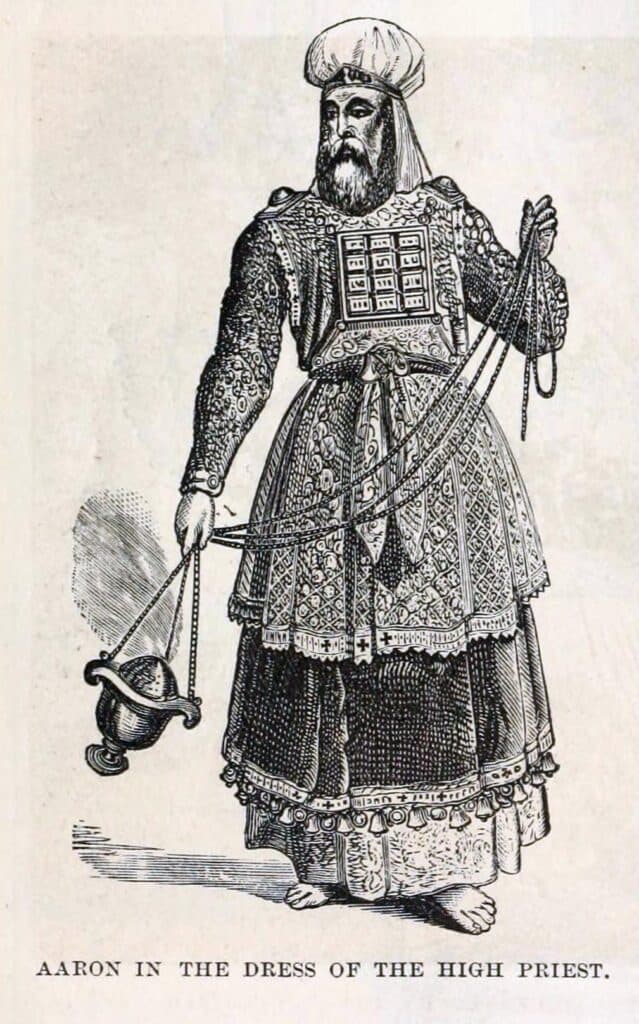
who are to guard the temple dwelling or the tabernacle dwelling of God and strike down in death an unholy intruder. And of course, then, Genesis 2.15 invites us to think of Adam as a priest king, endowed in the image of God. And what is he qualified for as a priest king in his guardianship?
Genesis 2:15 · Camden Bucey
I mean, that’s Genesis 2.15 and carry it all the way through. And you see how the message is there built in and promoted and develops throughout all of Scripture.
Genesis 2:15 · Scott R. Wright
And as the priestly guardian, Adam was appointed to repel any unholy intruders. The Lord God took the man and put him in the garden of Eden to work it and to keep it, according to Genesis 2.15. So in addition to working and cultivating the garden, man was to keep it, to guard it. He must defend the
Genesis 2:16–17
The Nature and Destiny of Man 00:48:43 Reformed and Roman Catholic Theology 00:59:15 Theology from Genesis 2:16–17 01:02:22 The Sabbath Day 01:12:25 Conclusion Participants: Camden Bucey , Danny Olinger Danny Olinger delivers an address at the 2021 Reformed Forum Theology Confer
Genesis 2:16–17
ated Adam in his image and placing him in the Garden of Eden, God entered into a covenant with him (Gen. 2:16–17). In Westminster Confession of Faith 7.1, the divines wrote, The distance between God and the creature is so great, that although reasonable creatures do owe obedience
Genesis 2:17 · Steve Casselli
But, again, it’s the relics of the image of God. And then he does bring up the Covenant of Works and how this relates to the Covenant of Works. And basically the way he frames it is that in addition to what he calls natural law, he says there is positive law. And the positive law is basically Genesi
Genesis 2:17 · Lane G. Tipton
One last thing. Just one last point. You know how people talk about death. What is death? Romans 5. What is the threat of death essentially in Genesis 2.17? Well, Voss says it seems pretty clear that bodily death is in view, that returning to the dust of the ground is in view, and there’s good evide
Genesis 2:18–24
ck! Participants: Adam York , Chad Bond , Mark A. Winder , Matt Cotta On today s episode we discuss Genesis 2:18-24. We begin today s discussion by finishing up talking about the two trees in the garden from our previous episode and then we discuss [ ]
Genesis 2:21 · Lane G. Tipton
And he says that that term slipped into the Septuagint to translate the Hebrew tardema, that the Hebrew conception there used the Hebrew word in Genesis 2.21 and Genesis 15.12 brings into view a deep sleep.
Genesis 2:21
ted by the Greek term ecstasis . The term served first as a translation of the Hebrew tardemah (cf. Gen. 2:21 with Adam and Genesis 15:12 with Abram). In Adam’s case, there is no visionary state. In Abram’s case, there is such a vision (expound the theology of the theophany). But
Genesis 2:24 · Marcus Mininger
But this passage is distinctive for how it not only relates marriage to Christ in some maybe more general way, but how it anchors the entirety of that in Genesis 2.24, the situation of Adam and Eve in the garden from the beginning. And it’s sort of an interesting way that Paul proceeds here. He star
Genesis 2:24 · Marcus Mininger
So that’s an aspect of our lives in this age. In that sense, you could say it’s an aspect of culture. He describes what that aspect of culture should look like on the basis of our redemption in Christ. Then he grounds what he says about our redemption in Christ in Genesis 2.24. And that’s what’s rea
Genesis 2:24 · Marcus Mininger
It’s specifically not so much the marriage side of things, but the Christ and the church side of things that Paul really focuses on when he gets to citing Genesis 2.24. So in verse 30 of Ephesians 5, he’s reflecting on how we are members of his body, meaning Christ’s body. That’s the church-Christ r
Genesis 2:24 · Marcus Mininger
Genesis 2:24 · Nelson Kloosterman
and Christ and the Church. But it’s interesting that there, the Apostle Paul says in Ephesians 5, 31, therefore a man shall leave his father and mother and hold fast to his wife and the two shall become one flesh. Quoting there from Genesis 2, verse 24. But then he follows in verse 32, this mystery
Genesis 2:1–3
The sabbath principle is established in Genesis 2:1–3, immediately upon the completion of God s work of creation. This Sabbath rest principle is a function neither of redemption nor theocracy. It is part of God s creatio
And so in this case, what Paul is very clearly doing is he’s saying there are two unions that relate to one another in a kind of typological way. The first is the visible, physical, fleshly union between Adam and Eve in the garden, the very first marriage, right, which is exactly what Genesis 2.24 i